According to the DSM-V
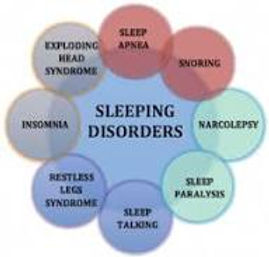
Major DSM-5 Sleep-Wake Disorders
-
Insomnia Disorder: Difficulty falling asleep, staying asleep, or early morning awakening, causing daytime impairment.
-
Hypersomnolence Disorder: Excessive sleepiness despite an adequate main sleep period (at least 7 hours).
-
Narcolepsy: Recurrent, uncontrollable sudden attacks of sleep or napping in the same day.
-
Breathing-Related Sleep Disorders: Includes obstructive sleep apnea hypopnea, central sleep apnea, and sleep-related hypoventilation.
-
Circadian Rhythm Sleep-Wake Disorders: Misalignment between the body's internal clock and the environment (e.g., shift work).
-
Non-Rapid Eye Movement (NREM) Sleep Arousal Disorders: Recurrent episodes of incomplete awakening, usually with sleepwalking or sleep terrors.
-
Nightmare Disorder: Frequent, distressing, and well-remembered dreams that occur during REM sleep.
-
Rapid Eye Movement (REM) Sleep Behavior Disorder: Vocalization or complex motor behaviors during sleep.
-
Restless Legs Syndrome: An urge to move legs, usually accompanied by uncomfortable sensations, often disrupting sleep.
-
Substance/Medication-Induced Sleep Disorder: Sleep issues directly resulting from medication or substance use.
Symptoms of a Sleep Disorder
-
Insomnia/Trouble Sleeping: Difficulty falling asleep, waking up frequently during the night, or waking up too early.
-
Excessive Daytime Sleepiness: Feeling very tired during the day, falling asleep at inappropriate times, or falling asleep suddenly (narcolepsy).
-
Breathing Issues: Loud snoring, gasping, or pausing in breathing (apnea).
-
Movement Disorders: Uncomfortable, tingling feelings in the legs (Restless Legs Syndrome) or intense leg/arm movements during sleep.
-
Behavioral Changes: Irritability, reduced self-control , depression, anxiety, impaired cognition leading to increased frequency of mistakes.
-
Unusual Nighttime Behaviors: Sleepwalking, acting out dreams, or bed-wetting.
Connection of Health Risks and Sleep Issues
-
Impaired immune system
-
Heart disease
-
Heart attack
-
Irregular heartbeat/heart palpitations
-
High blood pressure
-
Stroke
-
Diabetes
-
Increased risk of Alzheimer’s
-
Increased risk of motor vehicle accidents
In our office we find a combination of services are most effective to help
reduce ad/or eliminate the symptoms associated with Sleep Disorders.
These services fall under a general term of Health and Behavioral Intervention, which includes
Eye Movement Desentization Reprocessing (EMDR)
Individual, Couples and/or Family Counseling/Psychotherapy.
Click on the services listed above to be taken to that services page
Additional Treatments for Sleep issues
-
Mindfulness and Relaxation Techniques: Breathing Techniques, grounding techniques, tapping
-
Body Scan Meditation: Lying in bed, mentally focus on each body part from head to toes, releasing tension in each area.
-
Active or Passive Progressive Muscle Relaxation (PMR): Actively Tense a muscle group or imagine a specific muscle group while releasing tension through breath work. PMR Typically starts at the top of your head and works down to the toes.
-
Guided Imagery: The clinician will guide a patient to visualize a serene, calm place like a lake, meadow, comfortable room, beach or forest. The clinician will guide the patient to focus on sensory details to quiet the mind.
-
Hypnosis – The clinician induces a deeply relaxed trance like state where the subconscious mind is highly receptive to positive suggestions. This reduces racing thoughts and breaks the cycle of anxiety around falling asleep. Scripts can be tailored for analytical and non-analytical thinkers.
-
Sleep Hygiene and Behavioral Strategies- Clinician will assist the patient in creating consistent, calm routine to prepare the mind and body for rest. Key practices include limiting screen time, avoiding caffeine, maintaining strict wake-up time, avoiding heavy meals close to bed time, keeping the bedroom dark, quiet, and cool, using white noise.